Ask Adventure Doc: What are Bed Bugs?

02/18/09  Print This Post Print This Post    7 Comments   Popular   Written by Erik McLaughlin
    Share

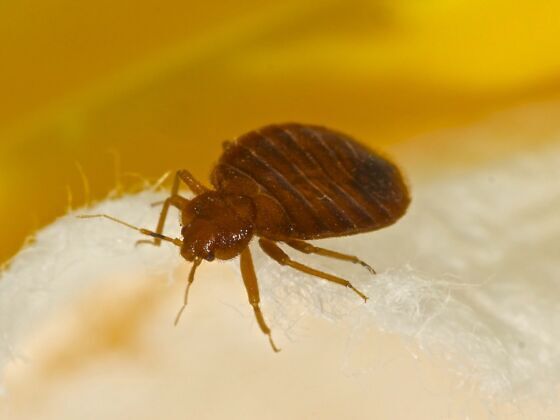
Feature photo by puroticorico / Above photo by stuartpilbrow

Bed bugs have been causing problems for hundreds, if not thousands of years. Here’s what you can (and can’t) do about it.

Bed bugs, or Cimex Lectularius feed on human blood. They can be found virtually everywhere on the planet and do not care how many stars your hotel room is rated. Once almost completely eliminated from developed areas, they are now making a huge global return. Increased international travel is thought be a major contributing factor.

Bites

Bed bug bites can range from un-noticed to large, angry, itchy and inflamed welts. Physical reactions to bites varies, with some people have strong reactions and others having no symptoms at all.

The main problem associated with bedbug bites is a local skin infection, brought upon by scratching the bites with dirty fingers. A good cleaning with soap and water, several times per day, can help reduce this risk. Typical bite patterns may be noticed, especially several bites “in line” on the skin.

Itching is the most common problem with these bites and there are several methods to help reduce the need to dig. Oral antihistamines, such as Benadryl, have been used with success. Many have had very good luck with simple cortisone cream, applied directly to the bite sites. Heat has also been shown to work well with hot water, hot compresses and even blow dryers used to heat the area, reducing itch.

Detection

Check the bed, the pillowcases, carpets, headboard and seams of the mattress. Bed bugs can hide in tiny cracks and are generally not visible during the day.

Evidence of their activity may be noted, such as small blood stains, eggs, droppings or a characteristic odor. Simply looking at the bed sheets may not be good enough. Bed bugs can hide in seams of the mattress, in boxes under the bed or even cracks in the bed posts or frame.

Unfortunately, the best method for bed bug detection is catching them in the act. This is generally accomplished by keeping a flashlight near the bed and shining the light under the covers.

Prime movement time is one hour before dawn. Bed bugs tend to move fast. As stomach-turning as it may sound, try to catch one and show it to the hotel operator. Immediately.

Sleeping With The Enemy

The goal is to keep the bugs from getting to you while you sleep. There are several tricks to this and the key is to isolate yourself from the ground as much as possible.

  • Bed bugs hate water and placing the bed posts in a small dish of water helps keep them from climbing up to you.
  • Double sided tape, wrapped around bed posts can also help, as can petroleum jelly smeared to the bed frame and legs.
  • Wrapping the mattress in plastic also helps the bugs from getting out, thus cutting them off from their food source (your blood).
Elimination of Infestation

Eliminating the infestation will not happen overnight and adjacent rooms are likely “buggy”, as well. If you are staying in a hotel, ask to change rooms as far away as possible from the original.

It will be safe to assume that the bugs have already infected your luggage and packed clothing. Cleaning with hot water and commercial clothes dryers (at the hottest setting the fabric allows) generally kills all bed bugs. Ironing clothing and sheets can also help with elimination.

Telling A Hotel

Reactions from hotel operators will vary. Some may apologize profusely and not charge you for the stay. Others may accuse you of bringing the bugs with you, in your gear. Some may not care at all.

The important thing to remember is that any place with a bed and fabric can harbor bed bugs, regardless of price paid for the room. Also, remember to approach the hotel operator with a touch of compassion – it may not be their fault.

Community Connection

Check other posts here at Matador where we ask Adventure Doc our health questions:, such as How to Stay Healthy During Flu Season?


    Share

About the Author

Erik McLaughlin

Erik McLaughlin is a physician, traveler, and a student of travel and expedition medicine who likes to share what he learns. When not studying or working, he stays in shape by trail running, climbing and mountain biking. He also likes to drink wine. He runs a website called Adventure Health Clinic.

7 Comments... join the discussion!

  • tom replied on February 18, 2009

    Vaseline on the bedpost. I just got The Willies. In fact, I will be scratching myself all night long.

    (Report comment)

    ↵ Reply
  • ianmack replied on March 4, 2009

    My wife and I stayed in a hostel in Cambodia. The bed was full of bed bugs. My wife killed 6 within a few minutes before deeming it time to tell the desk lady. Turns out, she didn't apologize. In fact, she made us prove that the bugs were actually there (we showed her some squished ones). There were no other rooms, so I asked for my money back. She pleaded with me that the money would come out of her salary… eventually I agreed to split the cost of the room and we moved to another hostel. Keep things interesting I guess…

    (Report comment)

    ↵ Reply
  • Greg replied on March 10, 2009

    I saw bedposts in jars of water at all four corners of the bed a lot in the rain forest in Hawaii where there are lots of creepie crawlies….apparently it works!

    (Report comment)

    ↵ Reply
  • Dave replied on April 12, 2010

    Very interesting stuff! I’m about to depart, and I’m sure a few hostels will need these tricks… especially in Hawaii, as Greg mentioned!

    (Report comment)

    ↵ Reply
  • Heather Carreiro replied on April 19, 2010

    Wish I’d read this before traveling in India. Always helps to carry some Vaseline huh?

    (Report comment)

    ↵ Reply
  • commercialtraveler replied on June 7, 2010

    Going to take a closer look at my hotel bed in just about 5 mins. Is there type of spray that will repel them?

    I wonder if you spray the bed with Lysol or some other product will it keep the bedbugs from exploring until the spray wears off?

    Anyone know?

    (Report comment)

    ↵ Reply
  • Gwen replied on June 11, 2010

    I worked at a hostel as a receptionist a couple of weeks ago and we sprayed and sprayed like crazy, I’m not sure it really helped. Maybe it did and they were just in people’s clothes and packs already, thus got back. Once they’re there, it’s reee-heee-heeeally hard to get them out I suppose.

    (Report comment)

    ↵ Reply

Leave a Comment

Get Matador in your inbox and around the web.

Sign up for our FREE weekly newsletter.


View full list of RSS feeds

Jump To Category:


Explore the Community


Popular Stories on Matador

The Best Condiments in the World Right Now

Tzakiki combines puréed cucumber and strained yoghurt ... 

10 Reasons You Know It's Time To Go Traveling

Feel like you need escape? Find out how badly with the... 

Ultimate Burning Man Packing List: 50+ Items To Bring To BRC

The first step to a successful trip to

6 Ways to Get Great Colors in Your Photos Without Photoshop

#4: Your in-camera white balance is an amazing tool for... 

How to be More Comfortable on Camera

Are you camera shy? Try some of these techniques to fee... 

4 Ways to Welcome Your New Baby to the World

Start with these ideas and make them your own. ... 

How to Get Tubed in Tarp [Video]

When searching for some hollow waves, young Orange Coun... 

The Hazards of Coming Home: Moving Back In With Mom & Dad

Anne Merritt ponders the comforts and contradictions of... 

5 Intense Wilderness Rescue Stories

Flooded caves, helicopter crashes, and armed rebels cou... 

Guide to Kenya's National Parks

From the reaching equatorial glaciers on Mt. Kenya to p... 


Focus


Editor Blogs